Commercial Water Restoration in Jonesboro, IN
Water losses in Jonesboro offices and shops get mapped and dried by Jonesboro Water Restoration, with the readings kept in your file.
When Jonesboro homeowners need Commercial Water Restoration, Jonesboro Water Restoration responds 24/7 with certified technicians, fast equipment deployment, and claim ready documentation. Call (765) 517-7678 for immediate dispatch.
- Service: Commercial Water Restoration for Jonesboro homeowners
- Service area: Jonesboro, IN and surrounding areas
- Response time: Around the clock dispatch; Jonesboro emergencies move to the front of the line
- Licensed and insured (License #RC21100059)
- Serving Jonesboro, IN since 2018
Commercial Water Damage Restoration in Jonesboro
We handle commercial water damage restoration throughout Jonesboro, and we'll stay on it from the first walkthrough to the final moisture readings.
Site Conditions
Properties near the Mississinewa River carry added flood risk in heavy rain. Freeze and thaw cycles each winter can burst pipes in unheated parts of a commercial building. Your building's own drains and roof get checked on the first walkthrough with whoever manages the property.
We cover commercial properties across Jonesboro, including the area around the Main Street commercial corridor. We also handle commercial water losses in Hartford City, Fairmount, Upland and Marion.
Commercial Water Restoration for Jonesboro Businesses
Somebody above you is going to ask what this costs and how much space is out of service, and you need real numbers to answer. That starts with a documented scope: what's wet, how far it went, and what has to come out. Jonesboro Water Restoration dispatches a crew to your Jonesboro building within 2 hours and gives you a written scope with moisture readings and photographs you can forward to ownership the same day.
Before a crew sets foot in your building, the team sends the certificate of insurance, the W-9 and the safety paperwork your management office requires, and the crew badges in the way your access policy says. Jonesboro Water Restoration keeps that routine on every commercial job in Jonesboro, so building access holds nothing up while the water is still moving.
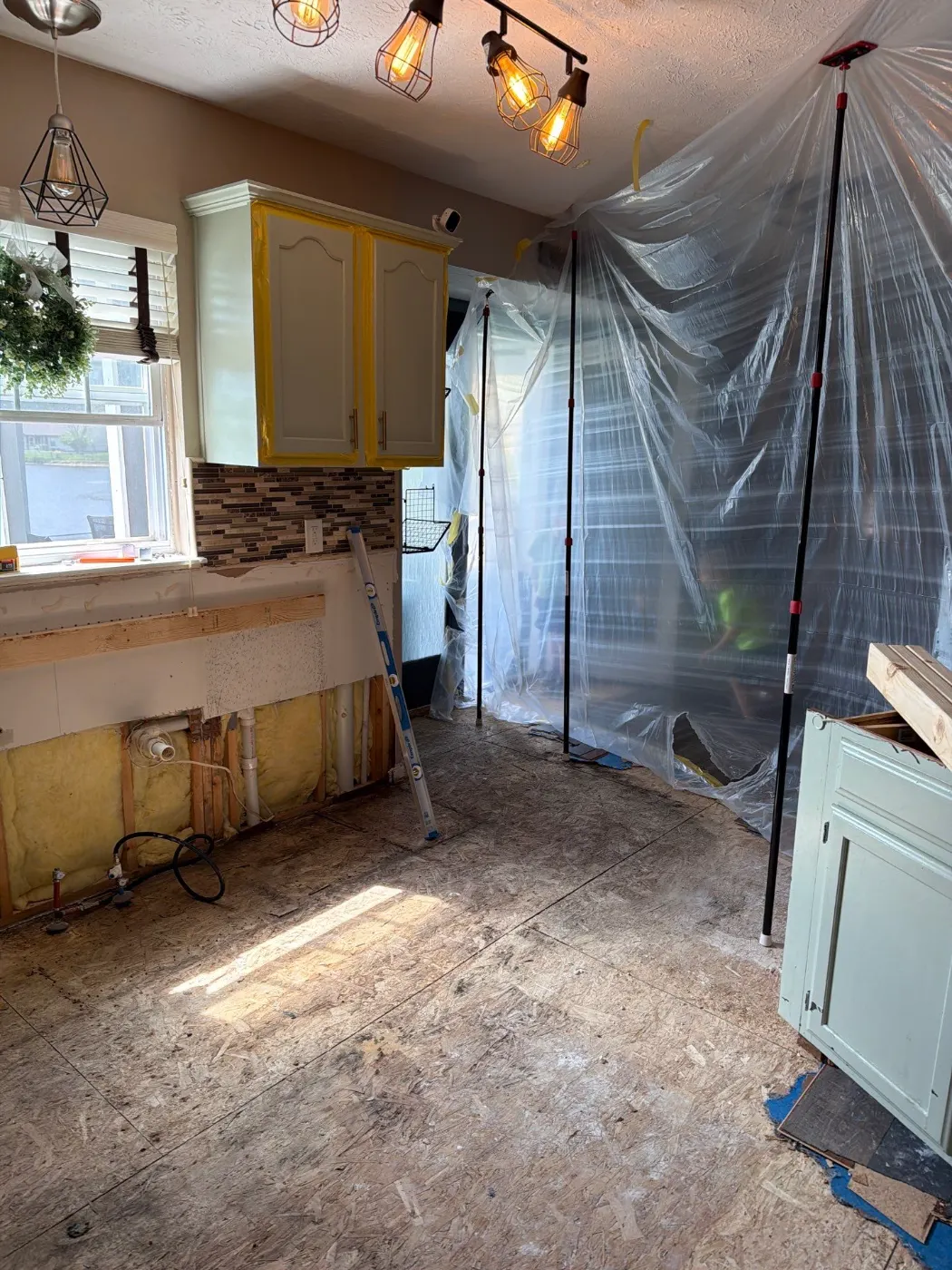
Cleaning happens while containment is still up. Hard surfaces get wiped down and floors get a HEPA vacuum pass. Walls and base get a damp wipe where the water carried dirt from the pipe or the ceiling. Dust and residue stay inside the work zone this way, and the finished area in your Jonesboro building is ready for the repair crew.
Original image files carry the date and time each photograph was taken, and screenshots or compressed copies lose that information. Keep the originals from your own phones, since they're what a reviewer will want. Jonesboro Water Restoration keeps the full size files from your Jonesboro property in the job records, so a reviewer can sort every photograph by the time it was taken.
Water found on a Saturday keeps spreading through the weekend, and Jonesboro Water Restoration takes commercial calls in Jonesboro on weekends and holidays. The person on the line walks you through shutoffs and what to relocate while the crew gets ready, and the documentation starts with that call.
Signs You Need Commercial Water Restoration
If you notice any of these in your Jonesboro building, schedule a free inspection before the issue worsens.
Musty smell in a stockroom or storage closet that wasn't there last week
Residents reporting a brown stain spreading across the corridor ceiling outside their unit
Carpet seams darkening along a corridor even though the surface feels dry
Rust staining at the base of steel studs, shelving uprights or racking posts
Sewage backing up at a floor drain in a restroom, kitchen or loading area
Cove base pulling away from gypsum board along a corridor or exterior wall
The tenant below reporting drips from light fixtures or air diffusers in their suite
Water pooling at the base of an interior column or along a demountable partition track
Musty odor at a return air grille that gets stronger when the HVAC runs
Carpet tile edges curling or lifting where the adhesive underneath has released
How Jonesboro Water Restoration Handles Commercial Water Restoration
We follow these steps in order on every Jonesboro job.
Power and Panel Check
Before equipment goes in, your electrician deenergizes circuits that serve wet areas, and the crew checks outlets and floor boxes for moisture. Drying equipment then runs on protected circuits with the load spread across panels.
Air Handling Coordination
Units that serve the wet zone get identified with your engineer and HVAC contractor. Affected air handling is isolated or switched off, which keeps moisture from riding the return air to unaffected floors.
Daily Monitoring and Reporting
A technician reads the same locations every 24 hours, logs them against unaffected baseline readings taken elsewhere in the building, and repositions equipment as the wet zones shrink. The day's numbers go to your management office.
Tenant Notices and Updates
Plain language notices go out to the tenants in your Jonesboro building saying which areas are affected and when crews will be in the space. Updates follow as the readings change, with a contact name for questions.
Claim Documentation Package
Photographs by area, daily moisture logs, equipment placement and hour records, category justification, and scope itemized by suite all go into one file. You and your broker submit it and make coverage decisions with your carrier.
Commercial Water Restoration in Jonesboro
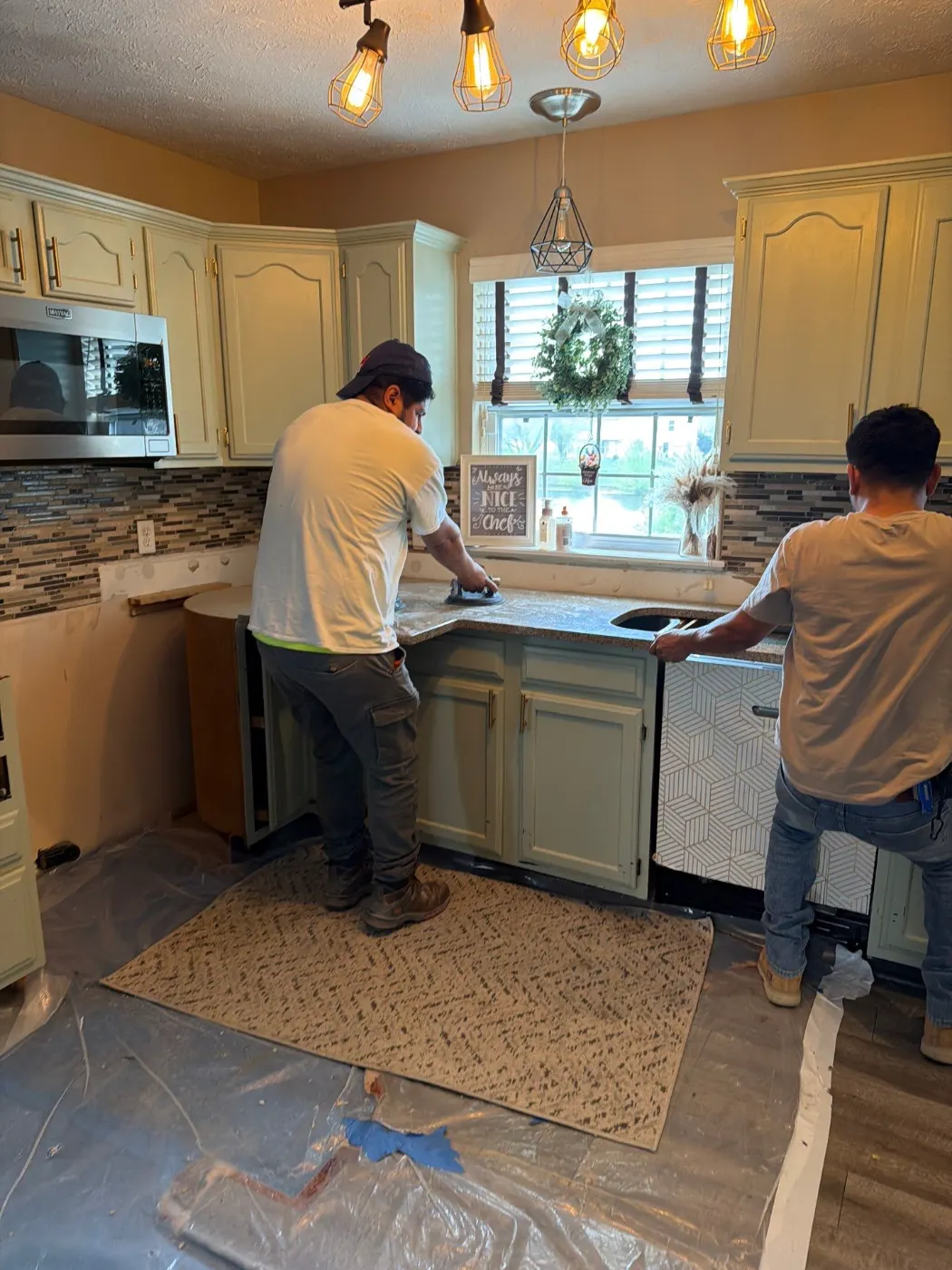
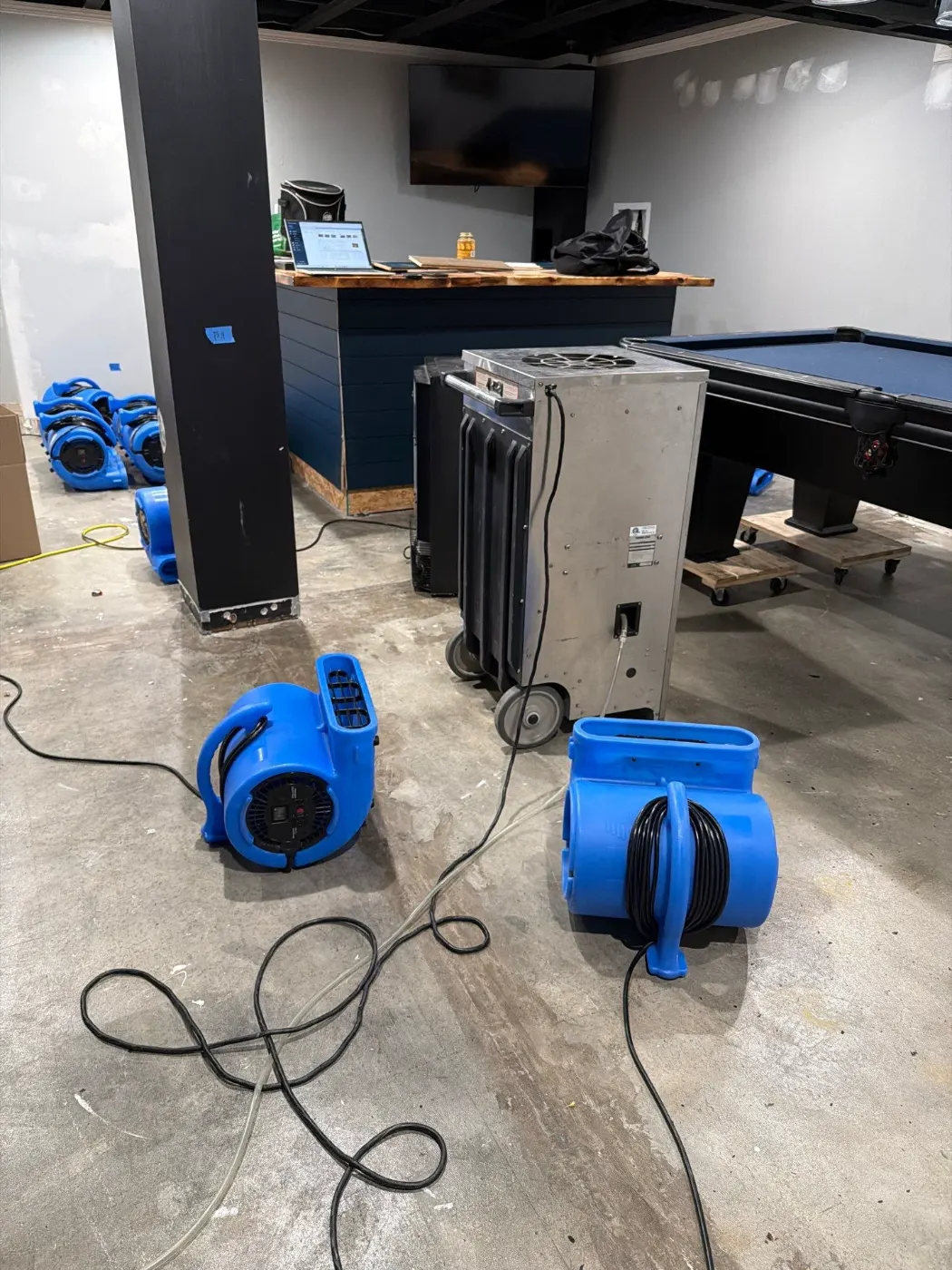
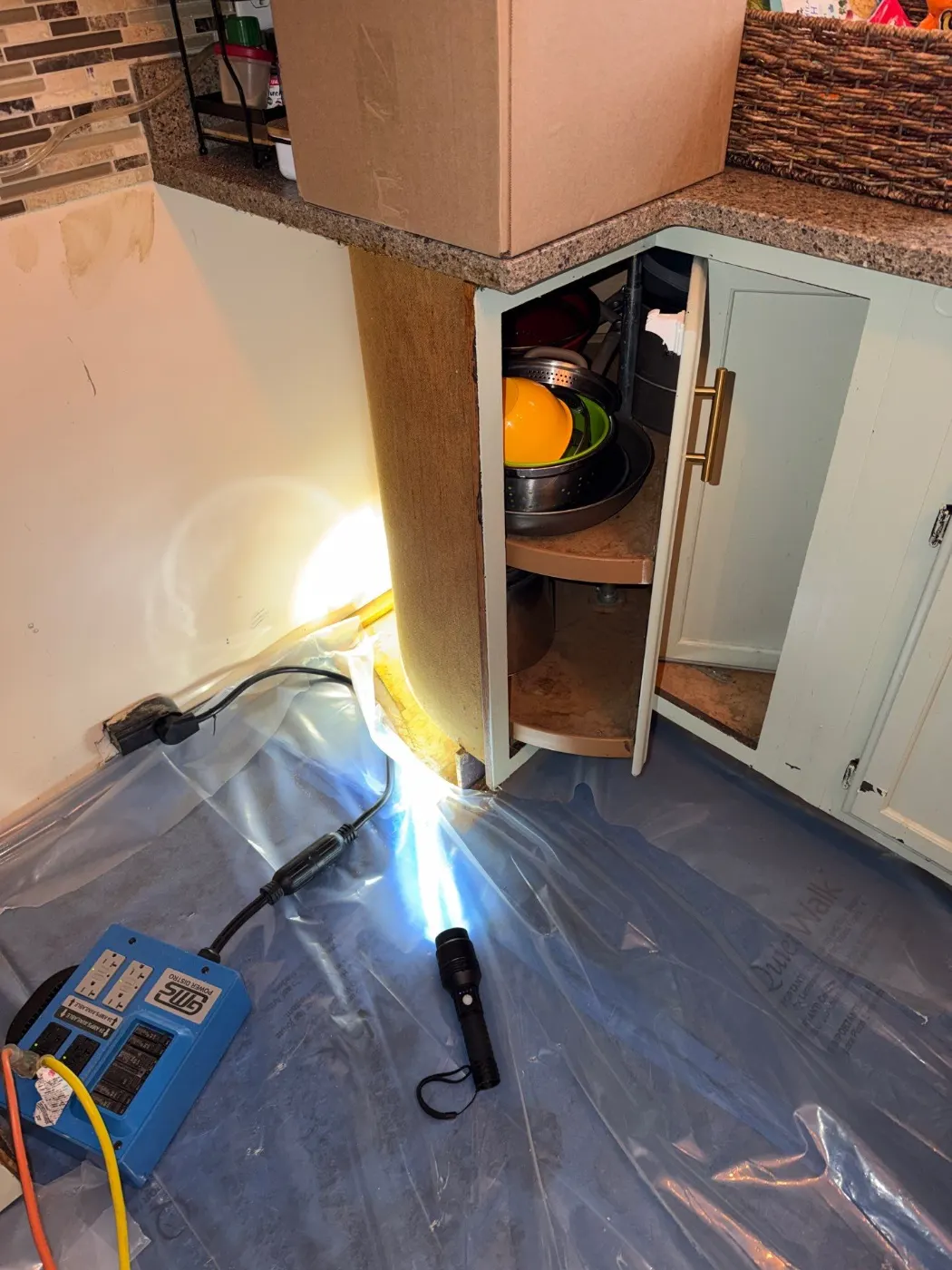
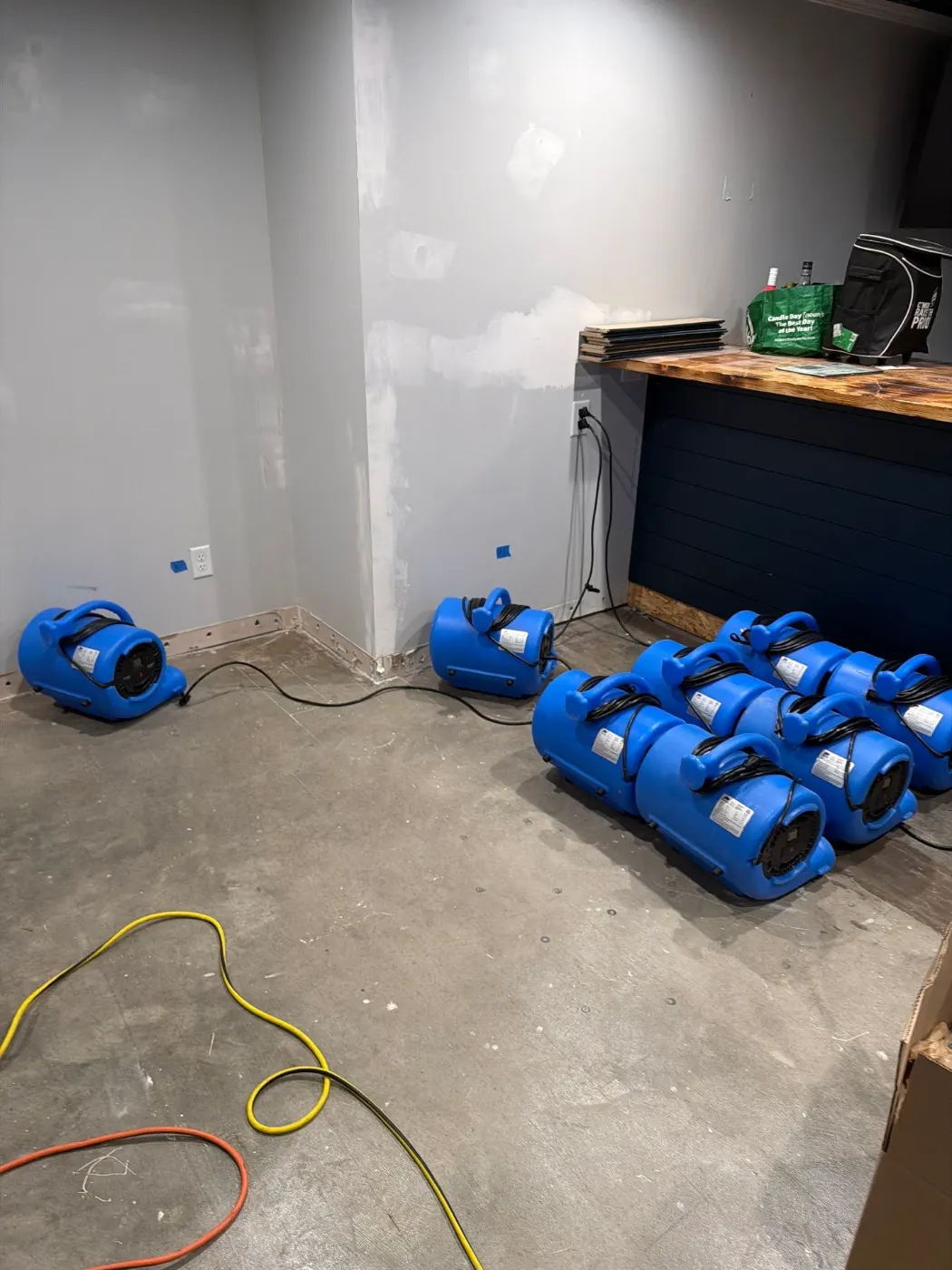
Photographs from real commercial water restoration jobs completed by our crew in Jonesboro and surrounding areas.
Commercial Water Restoration FAQ
Questions Jonesboro property managers ask us about commercial water restoration.
Guidance and Standards for Commercial Water Restoration
- The ANSI/IICRC S500 is the published standard for professional water damage restoration. The current edition is the Fifth Edition, 2021. IICRC S500 Standard
- EPA advises drying water damaged areas and items within 24 to 48 hours to prevent mold growth. EPA: A Brief Guide to Mold, Moisture and Your Home
Jonesboro Neighborhoods We Serve
We take commercial water restoration calls in every part of Jonesboro. Pick your neighborhood for local details.
Other Restoration Services in Jonesboro
Jonesboro Water Restoration handles the full scope of restoration work. Explore our other services below.
Water Damage Restoration in Jonesboro
24/7 emergency response. IICRC certified water restoration from extraction to full dry out.
Learn more →Basement Flooding in Jonesboro
Basement water emergencies handled fast. Extraction, drying, mold prevention.
Learn more →Sewage Cleanup in Jonesboro
Category 3 biohazard cleanup. Full containment, decontamination, structural restoration.
Learn more →Request Commercial Water Restoration
Reach Us Directly
Our team is available 24/7 for emergencies and ready to schedule inspections during business hours.
Need Immediate Help?
For active water or mold emergencies, call us directly. We are available 24/7.